Impact Sound Placement Keeps Electronic Music Drops Clear
A drop can already contain a kick transient, sub-bass, percussion, synth attacks and automation arriving on the same beat. Adding another large effect may make the moment feel bigger in isolation while reducing definition in the full mix. Impact sound is therefore as much a placement problem as a sound-selection problem. The useful question is where an extra transient or tail can reinforce the arrangement without masking the elements that create the groove.
Start With The Downbeat Already There
Before adding an effect, listen to the first beat of the new section without it. If the kick and bass already establish enough weight, the transition may only need a small accent above them. If the arrangement enters more gradually, a longer impact can help define the boundary between the build-up and the section that follows.

The easiest way for electronic musicians to get their music onto Spotify, Apple Music, iTunes, Amazon Music, Tidal, Instagram, Facebook, TikTok, Pandora, Twitch & much more! Click the banner above or the Go Button to save 7% off of your signup! GO!
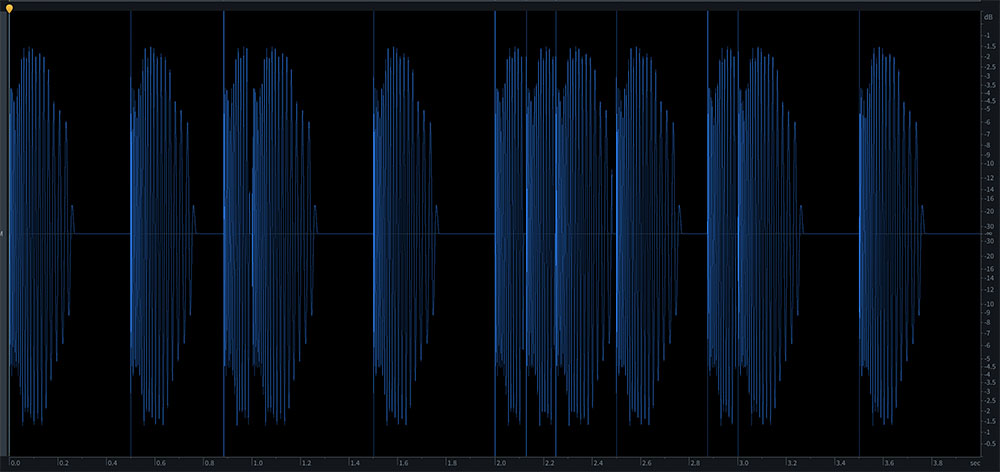
A carefully placed impact sound does not have to peak on exactly the same sample as the kick. Moving the attack slightly ahead of the downbeat can announce the transition, while placing a softer transient just after it can extend the sense of arrival. Those small timing choices are often easier to control than stacking several loud layers on beat one.
Make space before adding more weight
The low end is usually where transition effects create the most conflict. Long tails can overlap the kick and sub for several beats, while wide midrange impacts may cover synth attacks or percussion. The solution is not always to turn the effect down. Editing its shape can give the musical elements more room.
- Shorten the impact’s decay so it clears before the next kick.
- Filter low frequencies when the sub already carries enough weight.
- Reduce stereo width in a dense section.
- Shift the transient slightly away from the main drum attack.
- Automate the effect level after the first beat.
These changes let the impact serve the transition while preserving the identity of the drop. They also make it easier to judge whether the effect is reinforcing an existing production decision or simply adding more energy to an already crowded frequency range.
Create movement before the impact arrives
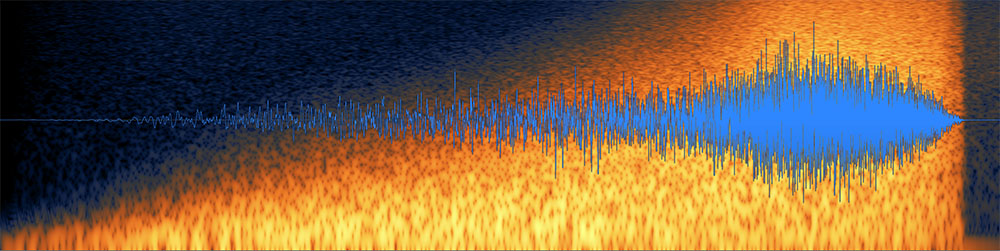
A large hit describes the point of arrival, but it does not explain the movement leading into it. Build-ups often need a separate layer that changes over time and gives the listener a sense of direction across several beats or bars.
That is where whoosh effects can be useful. These sounds can rise into a drop, fall away after one, or bridge two sections that differ in density. Stretching, filtering or reversing a whoosh makes it easier to fit the exact length of the transition instead of forcing the arrangement around a fixed sample.
Automation adds another level of control. Ableton’s documentation on automation and editing envelopes explains how mixer and device parameters can change over time. That makes it possible to build movement through filter cutoff, reverb, delay, panning or effect level rather than relying on a single static sample.
Let contrast do some of the work
A transition often feels larger because the section before it becomes smaller. Removing the kick for the final beat, narrowing the stereo field, reducing ambience or cutting the sub can create space that makes the next downbeat feel heavier without adding another effect.
This is particularly useful when the drop is already dense. A producer can use the final bar of the build-up to reduce information and reserve the impact for one precise point. The contrast between those states creates much of the perceived force, while keeping the arrangement easier to read.
Judge the effect inside the arrangement
Transition samples are easy to overvalue when auditioned alone. A huge impact may sound impressive in a browser or sample folder and become unnecessary once it sits beside the finished drums and bass. The arrangement should remain the reference point.
For electronic producers, the most effective transition chain often contains fewer elements than expected. One impact can define the arrival, a moving effect can connect the preceding section, and automation can shape the space around both. When each layer has a separate timing and frequency role, the drop can gain emphasis without sacrificing the clarity that makes it work on the dancefloor or in a detailed mix.